Holiday Decor, Not Disaster: Stay Safe This Season

🎄 Deck the Halls—Not the Hospital: Safety Tips for Christmas Decorations

‘Tis the season to be jolly—and safe. As we deck the halls with boughs of holly (and all the trimmings), it’s crucial to also deck our minds with safety smarts. Here are some guidelines to ensure your holiday cheer doesn’t result in a trip to the emergency room:

1. 🔥 Flammable Faux Pas: Mind Your Flames

That cozy candlelit ambiance? Lovely, until your centerpiece becomes a yule log. Tip: Keep candles at least 12 inches away from anything flammable. Safer alternative: Use flameless LED candles that flicker like the real thing.

2. 🌲 Tree Trouble: Placement and Hydration

A dry Christmas tree can ignite in seconds. Tip: Place your tree at least 3 feet from heat sources like radiators or fireplaces. Example: In 2022, a family in Ohio lost their home when a dry tree caught fire from a nearby space heater.

Bonus: Cut 2 inches off the trunk and keep the stand filled with water daily.

3. 💡 Light Logic: Inspect Before You Plug

Frayed wires and overloaded outlets are a recipe for disaster. Tip: Use only UL-listed lights and never connect more than three strands per extension cord. Example: A 2021 fire in California was traced to a damaged string of lights stapled to a wooden beam.

4. 🪜 Ladder Lessons: Hang High, Hang Smart

Falls are the #1 cause of decorating injuries. Tip: Use a sturdy ladder on level ground and never stand on the top rung. Example: In 2019, over 14,000 people visited the ER due to holiday decorating injuries—half from ladder falls.

5. 🧒 Kid & Pet Proofing: Curious Hands, Wagging Tails

Glass ornaments, bubbling lights, and tinsel can be tempting—and dangerous. Tip: Hang fragile items higher up and avoid decorations with small detachable parts. Safer choice: Use shatterproof ornaments and avoid lead-based tinsel.

Stay festive, stay safe—and let your holiday sparkle without sparks.

A disrupted polar vortex could bring a colder, snowier December 2025

❄️ Here’s what to expect—and how to prep:

December 2025 is shaping up to be colder and snowier than usual thanks to a rare disruption in the polar vortex. Scientists are watching for colder than normal conditions to develop in the mid-latitudes over the next month or so. Once the polar vortex is disrupted, it can take a month or more to recover, said Andrea Lopez Lang, a meteorologist at the University of Wisconsin-Madison.  “We can see more active and shifted storm tracks and increases in cold air outbreaks in regions across the Northern Hemisphere,” she said.

What It Means for Us

  • Colder temperatures: Expect below-average temperatures across much of the U.S., especially in the Midwest, Northeast, and parts of the South.
  • Snowier conditions: With Arctic air mixing into storm systems, snow chances rise earlier than usual, potentially leading to travel headaches during the holiday season.
  • Longer-lasting winter: Instead of a quick cold snap, this pattern could lock in chilly weather well into January.

A practical winter prep guide so you can stay safe, warm, and ready:

🏠 Home Prep


🚗 Car Prep


👤 Personal Prep

  • Layer clothing: Base layer for warmth, middle layer for insulation, outer layer for wind/water protection.
  • Stay hydrated: Cold weather dehydrates too, so drink water regularly.
  • Plan ahead: Check forecasts before traveling and allow extra time for delays.

🛒 Supplies to Have Ready

Understanding and Preventing Identity Theft

The Invisible Threat

In our increasingly digital world, identity theft has become a pervasive threat that affects millions of people each year. The consequences of identity theft can be devastating, leading to financial loss, damage to credit scores, and emotional distress. Understanding what identity theft is and how to prevent it is crucial in safeguarding your personal information and maintaining your financial well-being.

What is Identity Theft?

Identity theft occurs when someone illegally obtains and uses your personal information, such as your social security number, credit card details, or bank account information, without your permission. This can lead to fraudulent activities such as opening new accounts, making unauthorized purchases, or even committing crimes in your name.

Common Methods of Identity Theft

  1. Phishing Scams: Cybercriminals often use phishing emails or messages to trick individuals into providing personal information. These emails may appear to be from legitimate sources, such as banks or government agencies, but they contain malicious links or attachments.
  2. Data Breaches: Large-scale data breaches at companies and organizations can expose sensitive information of millions of individuals. Hackers can exploit security vulnerabilities to steal data, which is then sold on the dark web.
  3. Skimming: Identity thieves use skimming devices to capture credit card information from ATMs, gas station pumps, or point-of-sale terminals. These devices are often difficult to detect, making it easy for thieves to steal your information without your knowledge.
  4. Mail Theft: Physical mail can also be a target for identity thieves. They may steal mail containing sensitive information, such as credit card statements, tax documents, or pre-approved credit offers, to gain access to your personal information.

How to Protect Yourself from Identity Theft

While identity theft can be a daunting threat, there are several proactive steps you can take to protect yourself:

  1. Secure Your Personal Information: Be cautious about sharing personal information online and ensure that your social media profiles are set to private. Shred documents containing sensitive information before disposing of them.
  2. Use Strong Passwords: Create complex passwords for your online accounts and avoid using the same password across multiple sites. Consider using a password manager to keep track of your passwords.
  3. Enable Two-Factor Authentication: Add an extra layer of security to your online accounts by enabling two-factor authentication (2FA). This requires you to enter a code sent to your phone or email in addition to your password.
  4. Monitor Your Financial Accounts: Regularly review your bank and credit card statements for any suspicious activities. Set up transaction alerts to receive notifications of any unauthorized transactions.
  5. Be Wary of Phishing Scams: Be skeptical of emails or messages asking for personal information. Look for signs of phishing, such as misspellings, generic greetings, or unexpected attachments, and avoid clicking on suspicious links.
  6. Protect Your Devices: Install and update antivirus software on your devices to protect against malware. Keep your operating system and applications up to date with the latest security patches.
  7. Freeze Your Credit: Consider freezing your credit to prevent unauthorized access to your credit reports. This makes it more difficult for identity thieves to open new accounts in your name.

What to Do If You Become a Victim

If you suspect that you have become a victim of identity theft, take immediate action to minimize the damage:

  1. Report the Theft: Contact the Federal Trade Commission (FTC) and file a report at IdentityTheft.gov. Notify your banks, credit card companies, and any other affected institutions.
  2. Place a Fraud Alert: Place a fraud alert on your credit reports with the major credit bureaus (Equifax, Experian, and TransUnion). This alerts creditors to take extra precautions when verifying your identity.
  3. Close Compromised Accounts: Close any accounts that have been tampered with or opened fraudulently. Notify the companies where the accounts were opened and provide them with a copy of your FTC report.
  4. Monitor Your Credit: Regularly check your credit reports for any new or suspicious activities. You can request free credit reports annually from each of the major credit bureaus.

To Wrap Up

Identity theft is a serious issue that can have long-lasting effects on your financial health and peace of mind. By understanding the methods used by identity thieves and taking proactive steps to protect your personal information, you can reduce the risk of falling victim to this pervasive crime. Stay vigilant, stay informed, and take control of your identity to safeguard your future.

Stay safe and take action today to protect yourself from identity theft. Your identity is invaluable—treat it with the care it deserves.

Happy Holidays from Curley Adjustment

Property Damage After Extended Drought

Storms after a drought lead to property claims.

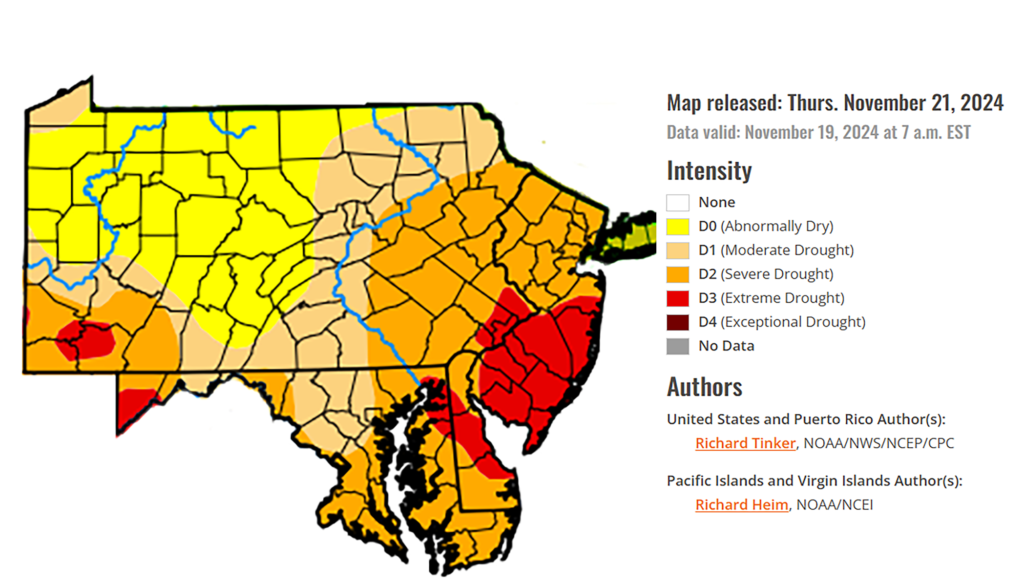
Storm systems are bringing rain to the Northeast after long periods without measurable precipitation. The map below from the U.S. Drought Monitor show that Pennsylvania, New Jersey, Delaware and Maryland are experiencing severe to extreme drought conditions

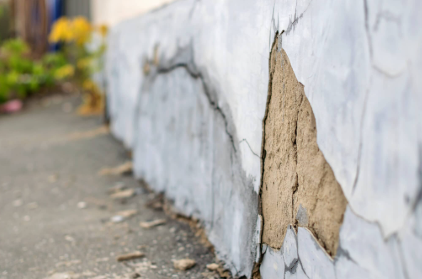
The storms are bringing much needed rain, but can lead to other problems for homeowners. After a long drought the soil shrinks around the foundation. This can cause cracks, uneven settling and structural issues. Other potential problems are possible damage to exterior walls, driveways, sidewalks. A lack of moisture also can damage pipes as the ground shifts due to a lack of moisture.

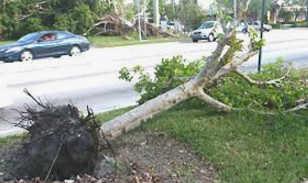
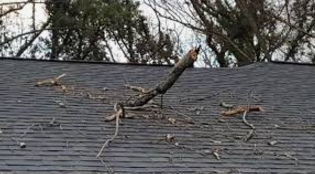
Trees can be more susceptible to valling or breaking branches due to the lack of water. This can potentially damage roofs or other structures on the property.

The dry conditions can also compromise a roof. A storm after a period of drought can cause leaks and other damage to the roof.

Key points about drought related home damage

  • Foundation cracks – Gaps are created when soil pulls away from the foundation, causing cracks.
  • Falling trees or branches – A lack of water can compromise the health of a tree
  • Uneven floors – Receding soil can cause the foundation to settle unevenly, resulting in sloping floors.
  • Cracked exterior walls – Brick, stucco, or siding can crack from a shifting foundation
  • Damaged pipes – Leaks and breaks are caused by pressure from the shifting soil
  • Cracked driveways and patios – These concrete surfaces also can me damaged by foundation issues.

What to do?

  • Assess tree damage – consider contacting an aborist to address any potential hazards
  • Regularly check for cracks in the foundation, walls, or floors.
  • Consult professionals – if you suspect a structural engineer or foundation specialist

Sources

COVID-19 Business Interruption Claims Adjusters

Curley Adjustment Bureau has proudly been serving Insurance Companies and self-insureds since 1933.  The company’s founding principle was to provide courteous, prompt, and effective professional claim service on behalf of the insurance industry.  Four family generations and nearly 90 years later, Curley Adjustment Bureau still relies on this very same mission statement to foster continued growth and success for itself and its insurance and other business partners, within the ever-changing insurance industry.

The COVID-19 pandemic may cause an increase in Business Interruption claims. Business Interruption policies are normally purchased as part of a full commercial general liability insurance package. In the current landscape other factors may come into play. New Jersey and Ohio legislatures have introduced bills requiring insurers offering business interruption insurance to cover losses attributable to viruses and pandemics. New York is also considering such legislation. On March 18, 2020, members of the United States House of Representatives urged four major insurance trade organizations to cover business interruption claims arising from COVID-19.

THE RIGHT CHOICE FOR YOU

The knowledgeable and experienced adjusters at Curley Adjustment Bureau are prepared to provide your company with the expertise you need, Business Interruption claims are complicated, let our experience work for you.


More Information
https://www.natlawreview.com/article/business-interruption-insurance-coverage-and-covid-19
https://www.eidebailly.com/insights/articles/2020/3/covid-19-and-business-interruption-insurance


Curley Adjustment COVID-19 response


Dear Trusted Clients and Friends:

First & foremost we hope you are all doing well and taking care of yourselves, your families and your friends.

We would like to take a moment to let you know that we are doing everything possible to remain fully operational; ready willing and able, as always, to handle any and all of your claims needs.  We have initiated our Business Continuity Plan. In order to ensure service to our clients, we have put in place the following changes effective immediately.

  • Business Continuity Plan:  Curley Adjustment Bureau maintains a comprehensive Business Continuity Plan in place to ensure all services to our clients. These plans were developed to cover any contingency that might interrupt day-to-day business and have been updated to account for new challenges caused by COVID-19.


  • Remote Workforce: Our employees are equipped to work remotely and have been encouraged to do so as a precautions. Effective today, in an effort to avoid crowds and practice social distancing to prevent the further spread of the virus, Curley is allowing our home office employees to work remotely.

All of our adjusters are working strictly from their home offices. In addition, our outside adjusters have been provided with all of the most up to date information from the CDC and local authorities along with personal protective devices, gloves and sanitizer.  Adjusters have been instructed to do everything possible to protect the health of everyone they come into contact with as well as themselves.


  • Customer Needs and Expectations: We are continuously updating our Business Continuity Plan according to our clients’ need and expectations. We are meeting the expectations to minimize business interruption but also protect the health and safety of our employees and your insureds.


We also have an extensive roster of CAT adjusters who can be called upon if needed.  Our claims management system is web based with various redundant back-ups.  We will all be working through this crisis safely and securely.

Our responsibility to you has not changed, we will continue to provide you with uninterrupted service during this difficult time. Our phones, emails and systems have been realigned to continue to service your needs as you have come to expect from us.  Thank you for being a valuable client and partner of our Company.

If you have any concerns, please call or email us.


Kind regards,

Everyone at Curley Adjustment Bureau, Inc.

888-557-3717

[email protected]