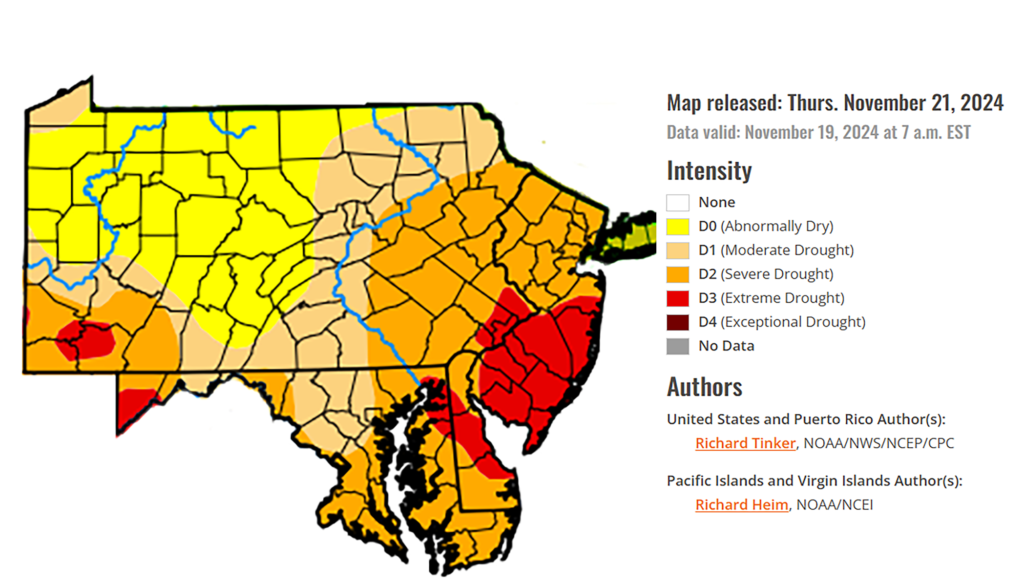
A dynamic storm system will paint the region in shifting colors on Monday, March 16, as Pennsylvania, New Jersey, Delaware and Maryland move through a day that starts gray and mild and ends sharply colder. The atmosphere will feel active from morning to night, with changing skies and rising winds signaling the front’s approach.
Our Adjusters Are Ready to Assist
Curley Adjustment Bureau will be monitoring conditions throughout the storm. Our adjusters are fully prepared to respond quickly should your Insured’s home or business experience damage. From initial contact to inspection and guidance through the claims process, our team is committed to providing clear, timely support when you need it most.
Whether it’s a roof leak, wind damage, or water intrusion, we’re here to help you navigate the next steps with confidence and clarity.
Curley Adjustment Bureau 📞 888‑557‑3717 🌐 www.curleyadjustment.com
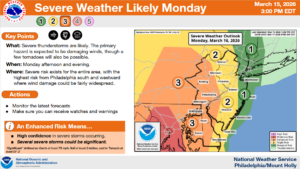
Curley Adjustment Bureau | Preparing for Monday’s Storms
🌧️ Morning Into Afternoon: A Day Washed in Gray
Clouds thicken early, and steady rain settles in—sometimes light, sometimes more concentrated—creating that familiar wet‑pavement shine across roads and parking lots. Temperatures climb into the mid‑60s, adding a springlike softness to an otherwise dreary scene. Afternoon travel may feel slower, with wipers working overtime and visibility dipping during heavier bursts.
🌬️ Evening Shift: Wind, Rain, and a Quick Drop
As the cold front pushes through, winds pick up and rain becomes more wind‑driven, tapping against windows and siding. By late evening, temperatures fall quickly into the low 30s, and the warm, rainy day gives way to a colder, sharper night. Northern areas may see slick patches where wet surfaces cool rapidly.
🏡 What Property Owners Should Watch
- Low‑lying areas may collect water as the rain lingers.
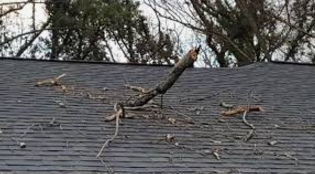
- Wind‑pushed rain can find weak points in roofing, siding, and older seals.
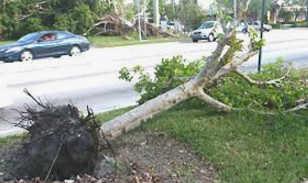
- Tree limbs may shift or break as winds increase.
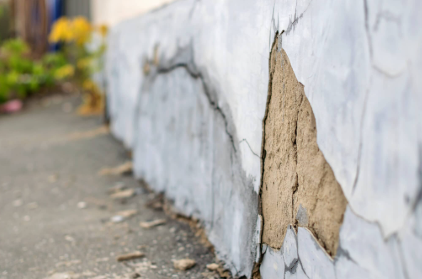
- Rapid cooling can stress exposed plumbing or aging materials.
Curley Adjustment Bureau will be monitoring conditions throughout the system’s passage. If your property experiences damage or you need guidance on next steps, our team is ready to support you.
Curley Adjustment Bureau 📞 888‑557‑3717 🌐 www.curleyadjustment.com